Selling a North Texas House With Foundation Problems
Foundation movement is close to a regional condition across North Texas. The expansive clay soils under much of Dallas, Fort Worth and the surrounding suburbs swell when wet and shrink when dry, and slab foundations move with them. Buyers here know this, which cuts both ways.
Because it is common, a foundation issue is not automatically a deal breaker in this market. What buyers react badly to is uncertainty. A documented problem with a documented repair is a known quantity. An undocumented crack that nobody can explain invites the buyer to imagine the worst and price accordingly.
Get an engineer's report rather than only a repair company's estimate. A structural engineer is assessing the condition; a repair contractor is quoting work they would perform. Both have value, but the engineer's report is the document that carries weight with a buyer, a lender and an appraiser, precisely because the engineer is not selling the repair.
Where work has already been done, the paperwork is the asset. Keep the engineer's report, the contractor's scope, the invoice, the permit if one was pulled, and above all the warranty. Many foundation warranties in Texas are transferable to a subsequent owner, sometimes for a fee and usually only if transferred correctly and on time. A transferable warranty converts the buyer's open-ended risk into someone else's obligation, and it is worth real money at the negotiating table.
Disclose it. The Texas seller's disclosure notice asks directly about known structural or foundation defects and about repairs. A seller who knows about movement and stays silent is exposed well after closing, and in a region where every inspector looks for this, the odds of it going unnoticed are poor. Background on this at https://www.priorityhousebuying.com/texas/san-antonio .
Expect the inspection to find it if it is there. Sticking doors, separation at brick mortar joints, sloped floors and drywall cracks running from door corners are the standard indicators, and inspectors in this market look for them as a matter of routine. Discovering it yourself, on your own timeline, is a stronger position than having a buyer's inspector discover it during the option period.
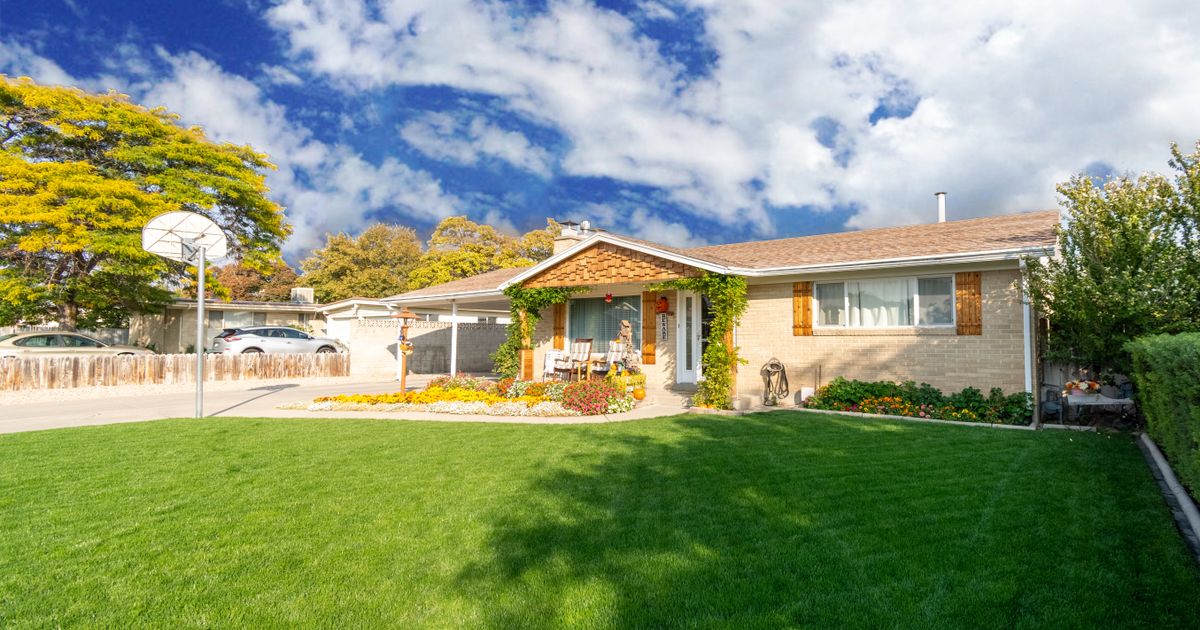
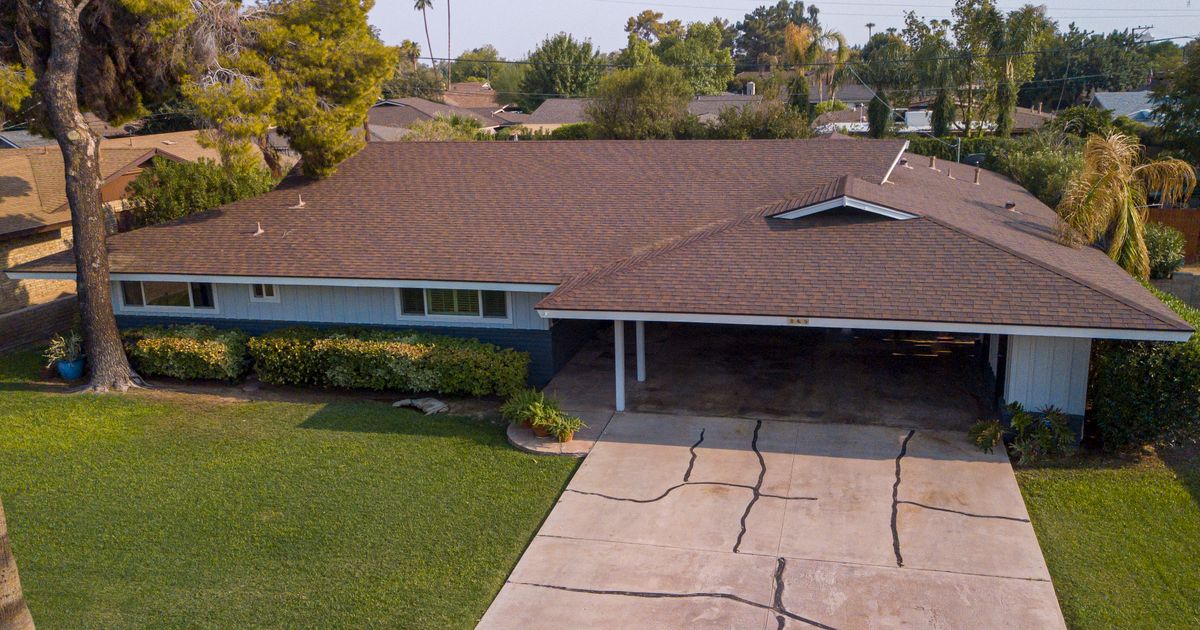
Drainage is the underlying variable and the cheapest thing to address. Gutters that discharge against the slab, beds that slope toward the house, and large trees drawing moisture from under the foundation all drive the cycle that causes movement. Correcting drainage does not undo prior movement, but it addresses the mechanism, and a buyer's engineer will look at it.